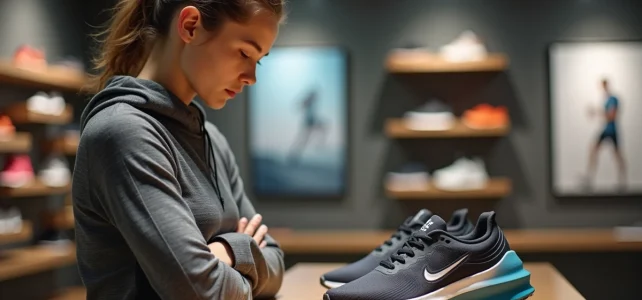
A brand new jersey will never win a 100 meters, but a poor choice of equipment can ruin a season. Equipment designed for champions doesn’t always suit everyday sessions, and that’s where the pitfalls lie. Studies conducted by sports federations confirm this: rapid wear of equipment is among the recurring causes of injuries in amateurs. However, the criteria to prioritize vary greatly depending on the sport practiced and the playing field.
Brands have sensed the stakes and now offer their collections according to each need: level, environment, morphology. Two models may look similar? Don’t be fooled by appearances. On the track or on the field, performance can rise or fall dramatically from one reference to another; sometimes it’s a 30% performance difference, a simple detail makes all the difference.
What to really look at before buying your sports equipment
Choosing your sports equipment requires more than just a bit of research and a taste for aesthetics. Start by identifying your level and your goals. The needs are not the same for a regular athlete, a competitor, or a casual practitioner. Next comes the environment: it’s impossible to ignore the weather conditions. Waterproofing, heat management, or breathability quickly become decisive, especially if the session drags on outdoors.
Marketing promises are not enough to guarantee comfort, durability, or performance. When it comes to shoes, first consider the discipline, your stride type, and the shape of your foot. Technical clothing must fit the movements; some use recycled fibers or graphene to combine strength and lightness. And for the smartwatch, keep it practical: reliable GPS, accurate heart rate monitor, sufficient battery life.
To navigate through it all, some habits can prevent many disappointments:
- Always try each piece of equipment before buying: a discomfort that goes unnoticed often ends up in injury.
- Pay attention to the raw material and the quality of the finishes.
- Seek opinions and feedback from specialists: coaches, sports educators, or knowledgeable salespeople.
Before finalizing a purchase or comparing two references, explore sports equipment on Sportetica. This site breaks down technologies, analyzes durability, and compiles usage tips to help you find safe, effective equipment suited to your investment. Well-fitted equipment not only supports effort: it protects, encourages progress, and lasts well beyond a season.
Outdoor, home, or team sports: how to adapt your choice?
Each practice has its requirements; you can’t put everything in the same basket. If you favor outdoor sports like running, trail running, hiking, or cycling, choose your shoes based on the terrain, distance, and especially the shape of your foot. Shock management, lateral support, and grip make all the difference as soon as the ground becomes unpredictable. Technical clothing should allow for effective ventilation, provide good freedom of movement, and adapt to the weather. Consider a smartwatch to track your efforts, a hydration belt, or a lightweight jacket if the weather turns.
Indoors or at home, weight training and fitness deserve stable, compact, and reliable equipment. A <strong=treadmill, a <strong=rower, or a <strong=stationary bike provides a good base for cardio. For strength training, absolute essentials include dumbbells, resistance bands, and <strong=exercise mats. A detail often overlooked is the need to protect joints and back. Gloves and belts play a real role in prevention.
Fans of team sports (football, basketball, volleyball, etc.) should focus on the choice of balls, protective gear, and of course, specific shoes. These accessories influence the quality of a shot, safety during contact, and the longevity of the equipment. As for the outfits? They should be durable, easy to wash, capable of absorbing shocks and sweat, and designed to last. In the end, the right balance remains the marriage between the selected equipment, your commitment, and the consistency of your training.
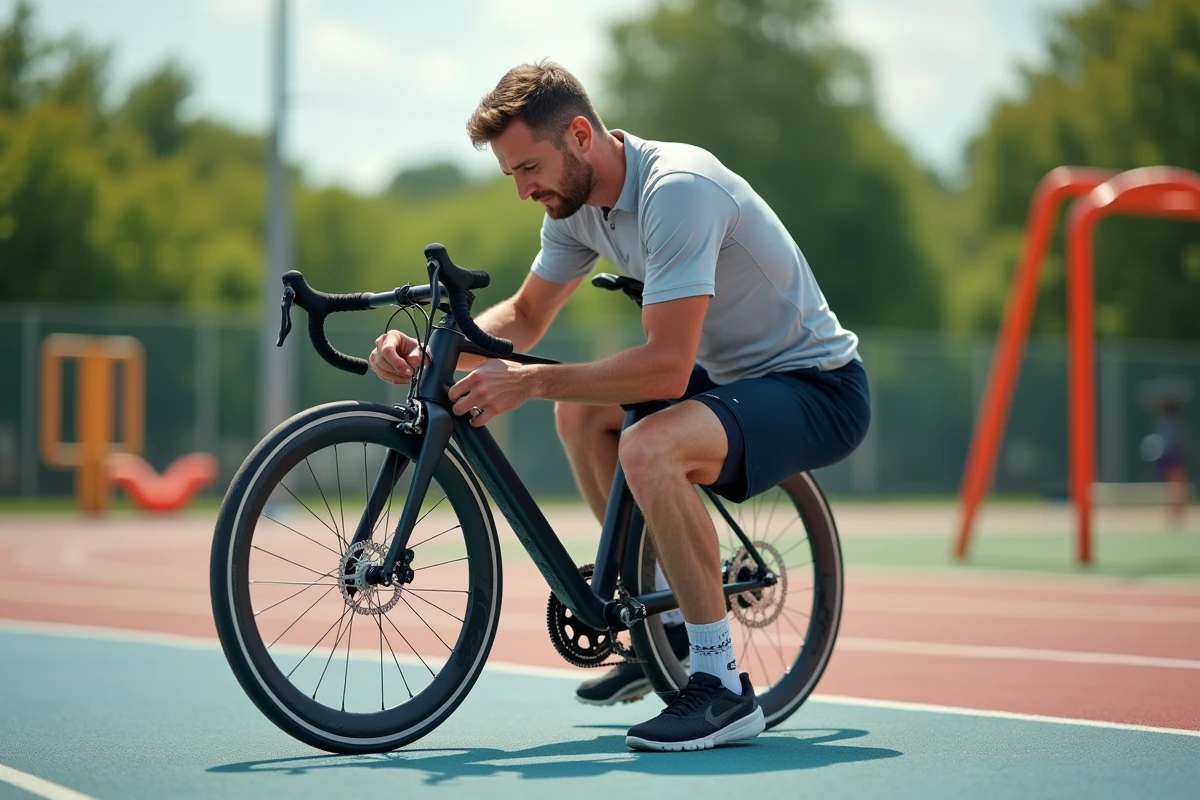
Maintaining and prolonging your equipment: three principles for serene seasons
Equipment that holds up is earned. Every day, small actions extend its life. For sports shoes, regularly clean the soles to remove dust and dirt, let them air dry, and avoid radiators and direct sunlight that damage fabrics and amplify odors.
Technical clothing also deserves its protocol: gentle wash, low temperature, no fabric softener. This way, you preserve the fibers, especially recycled or made of graphene, and maintain breathability and elasticity. As for electronic gadgets? Use a soft cloth for the sensors, frequently check for updates, and be mindful of shocks or prolonged humidity.
To enhance the lifespan of your equipment, adopt these simple reflexes:
- Always store your equipment in a dry place away from sunlight and extreme temperatures.
- Regularly check seams, fasteners, and soles. The slightest sign of weakness should prompt a quick repair.
- Before each season restart, take the time to check cushioning, support, and stability to react before a defect causes an unnecessary injury.
Anticipate, monitor, maintain: three levers to transform your sports equipment into a reliable companion, ready to accompany every challenge without faltering at the first misstep. Well-maintained equipment guarantees regular progress and sessions without unpleasant surprises, at every outing or training.