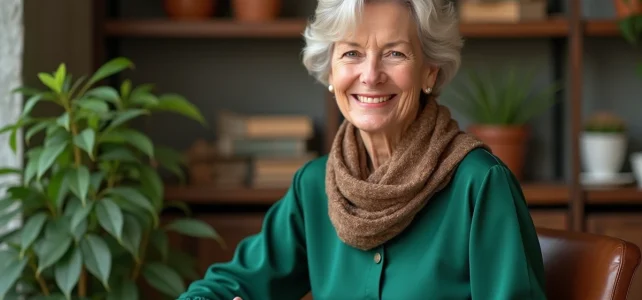
The traditional palette associated with maturity often overlooks the impact of bright shades on the radiance of the complexion. Some colors deemed flattering at 30 can accentuate fatigue at 50, while hues long considered risky suddenly become enhancing.
The choice of color is no longer solely based on trends or habits, but on understanding the evolution of the natural contrast of the face and skin tone. Selection errors can harden features or dull the silhouette, while a few adjustments can transform the appearance without artifice.
Why the color of clothing takes on a new dimension after 50
After fifty, color shapes not only appearance but reveals presence. Habits give way to more thoughtful choices: each shade illuminates a complexion differently, highlights a cut, suggests energy. Hair grays, the complexion evolves, the gaze asserts itself differently, making it urgent to reinvent the personal color palette.
The duo of comfort and elegance comes into play right from the selection of shades. A carefully chosen color softens features, awakens the face, energizes the whole without ever imposing itself. A common mistake is to shy away from bright shades or to fall into a discretion that uniformizes everything. In reality, a well-placed touch is enough to make the silhouette current without tipping into excess.
To explore this rediscovery, Michelle Dastier’s fashion article addresses the question accurately: clothing choices become personal while keeping an eye on modernity. Colors, far from being a detail, impose style and anchor the image one projects.
For those seeking inspiration, here are some combinations that enhance the silhouette and give a contemporary breath to the outfit:
- a raw denim paired with a bright shirt;
- a chic casual jacket in a bright color;
- the contrast between dark jeans and a structured piece;
- a light jacket in a pastel or warm tone.
Choosing sharp cuts helps structure the silhouette, while refined materials (wool, cotton, silk) enhance each of these tones. In winter, playing on oppositions instantly adds depth: dark pants and light knitwear, a bright scarf placed over a sober coat.
Accessories also offer points of light. A few dynamic touches, coral belt, turquoise scarf, scarlet bag, are enough to vary without overload. Avoid a patchwork effect and play for balance: the selected outfit ideas on this site provide material to diversify looks and layering harmoniously.
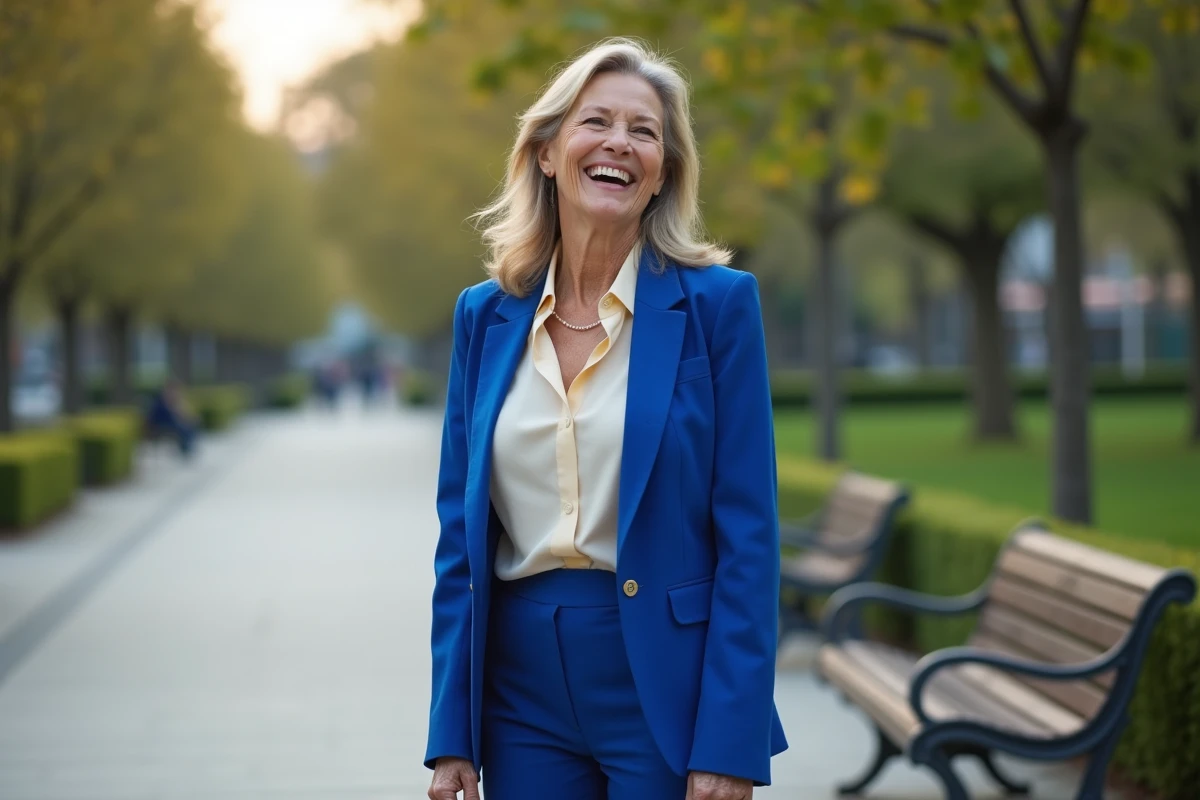
Common mistakes to avoid and tips to look younger through colors
Accumulating dark colors closes off the face and fatigues the look. Conversely, light softens: wearing black or dull shades near the complexion accentuates the marks of time. One should prefer soft colors like powder pink or pastel blue, which instantly revive features and maintain a visually soothing harmony.
To identify what can harm style and remain accurate, here are the most common pitfalls and how to navigate around them:
- Combining too many bright colors or layering loud patterns muddles the outfit.
- Neglecting the simplicity rule: two or three well-thought-out shades are enough to illuminate the face.
- Overlooking accessories, while a flattering scarf, golden hoops, or a graphic bag instantly adds flair.
The key remains simplicity: focus on natural tone combinations, edged with light or bright touches. It is these discreet details that express uniqueness without ostentation.
The recipe that transcends the years? Casual chic. A well-tailored pair of pants, a light jacket, a soft cotton blouse: add a strong color, and the silhouette comes to life. To gain youthfulness, nothing beats allowing oneself to innovate, to try an unprecedented contrast, to break out of the routine. It’s not about costuming or renouncing oneself: just fully inhabit one’s style, strong and sincere at the same time.
At each new stage, there’s a palette to explore. At each regained energy, there’s a unique reflection. And if the true luxury, after fifty, was daring to use color to better attract light?