
In France, a pet cannot travel in the cabin on all forms of transport, even if it weighs less than 8 kg. Some airlines systematically refuse rodents, while European regulations require electronic identification and a rabies vaccination, even for a short stay.
Requirements vary by country and mode of transport, multiplying administrative procedures. Specialized services exist to manage logistics, but their costs can quickly add up. The absence of certain documents can lead to boarding denial or quarantine upon arrival.
What to know before traveling with your pet
Before organizing a trip, every pet owner must look into the specific rules governing the transport of a pet: dog, cat, or ferret. Booking alone is not enough. A visit to the veterinarian is necessary for the implantation of an electronic chip, a mandatory condition for leaving the territory, and obtaining the European pet passport. This official document, issued by a veterinary professional, lists the vaccinations and identification of the animal.
It is impossible to cross a border without an up-to-date rabies vaccination. The rabies vaccine must have been administered at least 21 days before departure, or entry will be denied in many European countries. Some states go further and require proof of rabies antibody titer to ensure the vaccine’s effectiveness. Depending on the destination, a health certificate or sanitary certificate may also need to be presented, as requested by certain local authorities.
Here are the essential documents to gather to pass each stage without a hitch:
- Up-to-date European pet passport
- Functional electronic chip
- Valid rabies vaccination and documented annual boosters
- Health certificate if requested
The well-being of the animal must never be overlooked. Regular veterinary check-ups help avoid unpleasant surprises, keep vaccinations up to date, and maintain an impeccable medical record. For practical advice and testimonials, the website https://www.transpoil.fr/ (Transpoil – Pet and Furball Blog) provides a wealth of updated information to prepare for each step of the journey.
Traveling in France or abroad: what rules and tips for a smooth trip?
Respect the rules of animal transport
Animal transport is not improvised. Depending on the destination, whether in France, the European Union, or non-EU countries, regulations vary and require constant attention. A pet traveling by train or bus often must be transported in a proper carrier and adhere to strict safety standards. The rules differ from one network to another, depending on the size and weight of the animal. Taking a plane with a dog, cat, or ferret sometimes requires booking well in advance, checking health documents, and a limit on the number of animals allowed per passenger.
Traveling abroad: anticipate the formalities
Internationally, each destination country imposes its own set of health regulations. Within the European Union, the European pet passport and an up-to-date rabies vaccination open borders, provided the animal is declared at customs on certain routes. The United Kingdom additionally requires internal parasite treatment and reserves quarantine for non-compliant arrivals. Outside the EU, quarantine can sometimes become the norm, depending on the policy of the competent authorities.
To avoid unpleasant surprises, take the time to:
- Consult in detail the health conditions of the destination country and the requirements of the French customs.
- Prepare the customs declaration to avoid blockages or delays upon arrival.
- Plan a visit to the veterinarian for all required checks and documents.
Successfully completing a pet travel involves being proactive, having a complete file, and respecting official procedures. For each trip, refer to the current regulations, adjust each step to local laws, and stay one step ahead of unexpected events.
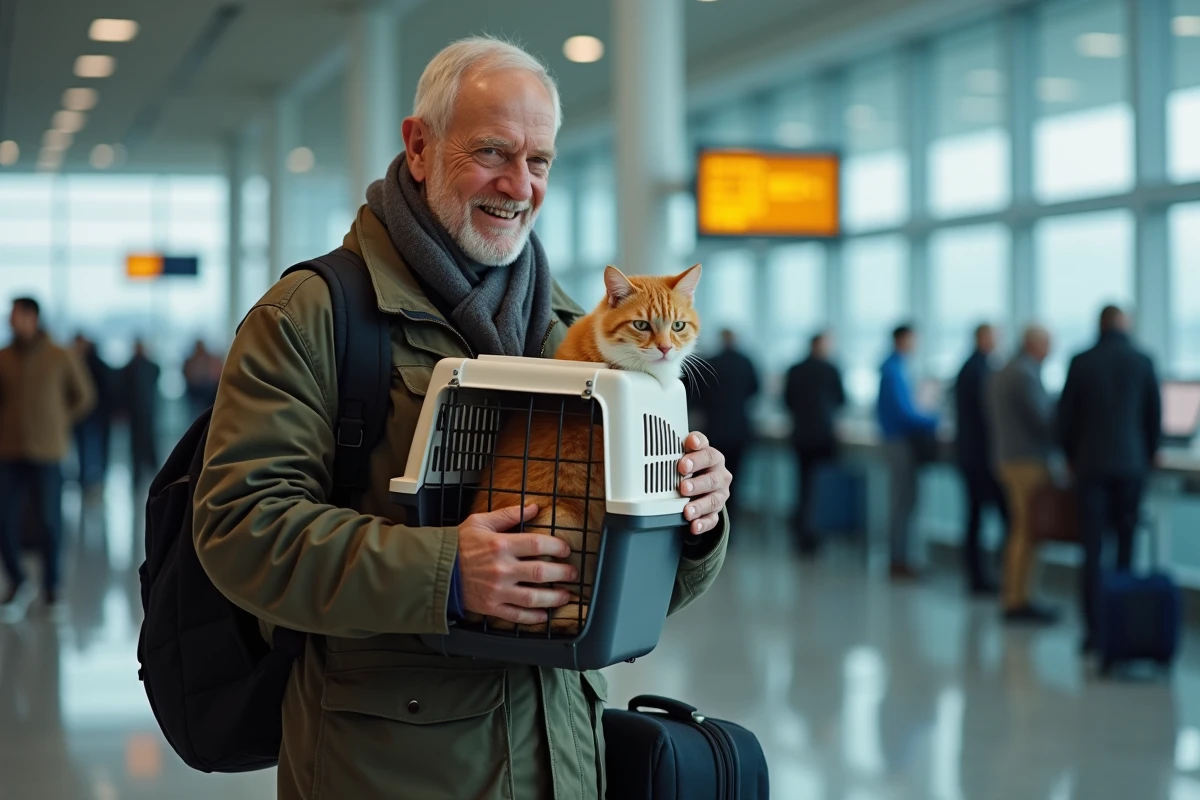
Specialized services, pet-friendly destinations, and tips for preparing the adventure together
Entrust your companion to animal transport experts
Using a licensed transporter ensures that all steps are managed properly. These specialized services coordinate the logistics of pet travel: adherence to health protocols, administrative management, and anticipation of unforeseen events. A certified transport carrier is not just an accessory; it becomes the key to compliance and comfort on the road. Professionals provide the certificate of compliance and offer suitable transport insurance. Their carrier liability covers any incidents during the journey.
Choose a pet-friendly destination
Several cities and regions, both in France and abroad, are particularly welcoming to dogs, cats, and ferrets. Hotels, accommodations, beaches, or green spaces gladly welcome four-legged companions. Taking the time to select a pet-friendly destination helps avoid unpleasant surprises and ensures that everyone enjoys the stay. The offers provided by licensed transporters take these criteria into account and guide you to places where pets are welcome.
Before you leave, keep these points in mind:
- Check the pet policy of accommodations.
- Prepare the pet travel according to the weather, duration of the trip, and necessary break times.
- Gather all required papers to ensure compliance with transport regulations.
Everything hinges on preparation: from choosing the pet transport to insurance, and including the destination, every detail matters. A calm animal and a reassured owner make the journey the beginning of a new chapter to share, without unpleasant surprises upon arrival.