
The forwarding of mail after a death is not a simple formality. The Post Office requires specific documentation, which may vary depending on the status of the person making the request. A power of attorney, often accepted in other procedures, proves insufficient in this case.
Some administrative procedures require waiting for official documents or presenting rarely anticipated pieces. The transfer options vary according to the estate situation, the relationship with the deceased, and the nature of the mail to be redirected. Failing to comply with these procedures often leads to the loss or disclosure of sensitive information.
Why managing mail after a death should not be neglected
When life stops for a loved one, the mail does not cease its flow overnight. Bills, bank statements, government notifications, private letters: everything continues to arrive at the old address, as if the absence has not yet been acknowledged. Organizing the management of these deliveries quickly becomes imperative, as behind each envelope may lie a deadline, a right to defend, or vital information to settle the estate.
The notary, a central figure in settling the estate, can temporarily handle receiving the mail or guide relatives in the necessary steps. However, most of the time, it is the heirs or beneficiaries who take on this task. Communication with organizations, banks, insurance companies, health insurance, family allowance, employers, and tax services must be impeccable. A misplaced tax notice, an unaddressed insurance demand, and the entire case can become bogged down. To ensure the continuity of procedures and protect the family’s rights, it becomes necessary to take charge of the change of address for mail after death without delay.
In the digital age, monitoring does not stop at the physical mailbox. Emails, online account alerts, and notifications add to the list of tasks. The slightest delay can postpone the closure of a case or even deprive the family of a benefit. When heirs cannot agree on the forwarding, the local court may be called to decide. Between private matters and administrative obligations, mail remains the discreet yet constant link between the life of the deceased and the responsibilities passed on to their loved ones.
Who can request forwarding and what steps to follow concretely?
Managing mail after the death of a loved one is not something that can be improvised. Only certain parties can initiate the forwarding procedure: these are the heirs, beneficiaries, or expressly designated representatives. One must be able to prove the relationship with the deceased and, if necessary, their legitimacy to represent the estate. If the notary is managing the case, they can receive the mail directly or delegate the management to a relative.
To know exactly what the Post Office requires, here are the documents to present when submitting the request at the office of the deceased’s last residence:
- original or copy of the death certificate
- identity document of the requester
- family record book or notarized deed attesting to the heir’s status
- if necessary, notarized power of attorney or declaration on honor
The forwarding address can correspond to that of an heir, the notary, or a post office box created for the occasion. The duration of the forwarding contract remains limited, generally set at six or twelve months, the time needed to complete all the steps related to the estate.
Each supporting document must be gathered carefully, or the service may be delayed. Family ties are not enough: only written and administrative proof can activate the forwarding. One should not neglect the management of digital mail, which is increasingly significant in the circulation of sensitive information.
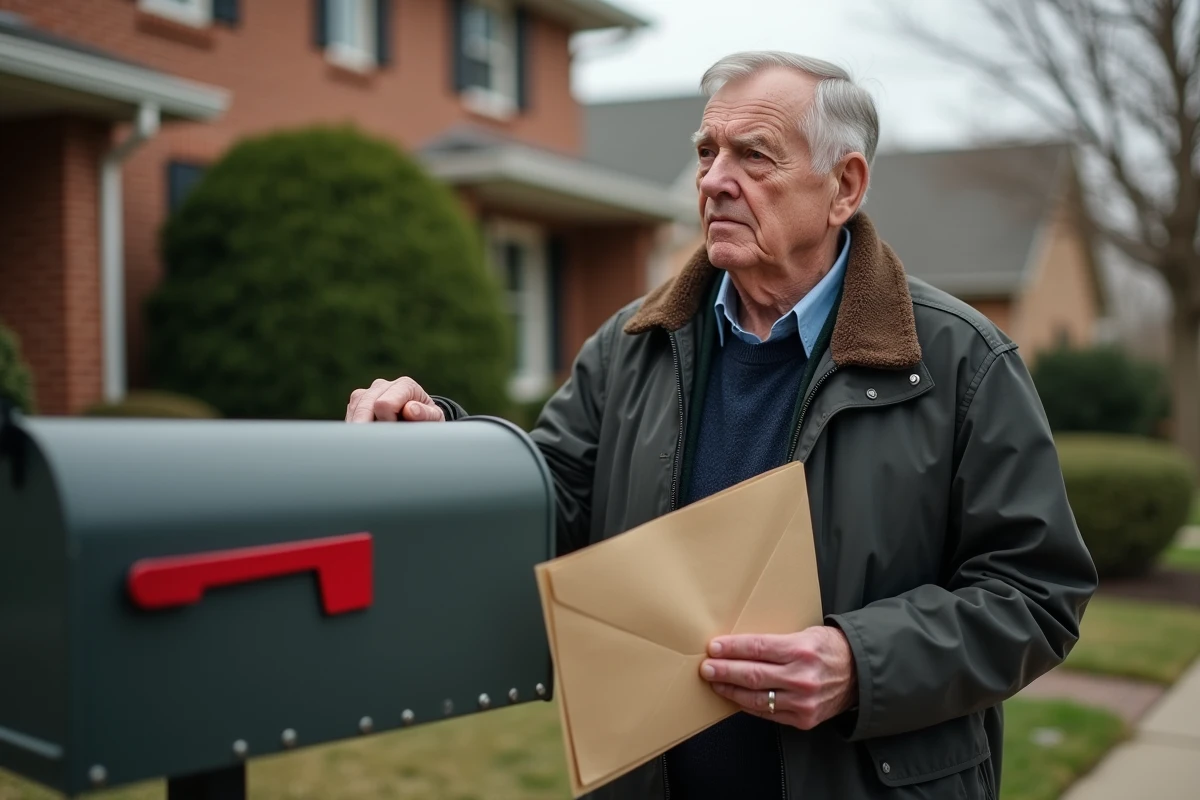
Practical solutions for transferring mail: options, duration, and tips to avoid mistakes
To ensure the forwarding of mail after a death, several options are available to the family. The most common is the forwarding contract offered by the Post Office. All mail, whether standard or registered, is then redirected to the address chosen by the heir, the notary, or the designated representative. This solution allows for nothing to be left to chance and centralizes all documents related to the estate over a period of six to twelve months, the time to sort the files and secure each step.
In some cases, it is possible to choose the mail holding contract, which allows the Post Office to keep letters and packages for a single retrieval. This alternative is useful if no one can regularly visit the deceased’s home or if the property remains vacant during the estate settlement.
To successfully carry out all necessary notifications to organizations, there are various resources:
- Letter templates tailored to notify banks, insurance companies, tax services, landlords, property management companies, or healthcare facilities
- Sending by registered letter to have proof and track the transmission
- Tools like the Post-Death Formalities Pack that gather templates, practical advice, and reminders of steps not to be overlooked
It is also important to sort the mail upon receipt. An effective classification distinguishes urgent documents, bills, official summons, tax notices, from more personal or non-priority messages. This organization protects the confidentiality of exchanges, in accordance with the secrecy of correspondence, which remains a principle to be scrupulously respected even after death.
This administrative thread, sometimes invisible, delineates the boundary between the deceased’s past and their loved ones’ future. Managing this transition methodically preserves memory and rights, but also grants peace of mind during a period when every detail matters.