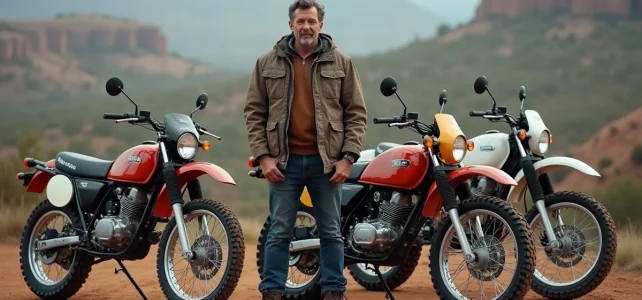
1991. Honda shakes things up with the XR 600 R: an unprecedented frame, an air-cooled engine designed for endurance and performance. This is no longer just an evolution; it’s a manifesto. For years, this motorcycle reigns over its category, inspiring the competition and paving the way for future generations.
On off-road tracks in the 90s, the XR 600 R established itself as the benchmark to beat. Robustness, reliability, everything seemed to flow naturally. Even today, the aura of this model remains strong. Technologies have evolved, but the XR 600 remains a classic. Its character, effectiveness, and that famous power-to-weight ratio continue to attract enthusiasts. Proof that there are machines that withstand the test of time without losing their appeal.
Honda XR 600: a significant story in the world of off-road
The Honda XR 600 stands out as one of the major figures in off-road motorcycles, produced from 1985 to 2000. A descendant of the XR500, later succeeded by the XR650R, it has left a deep mark in the off-road universe. Its 591 cm³ RFVC single-cylinder 4-stroke engine, known for its simplicity and robustness, built its reputation on the most hostile terrains. It is particularly on the Paris Dakar and the Baja 1000 that the XR 600 forged its legend: two events where endurance and reliability take precedence over pure technology.
But the XR 600 didn’t just shine in rallies. It also inspired the entire CRF range from Honda, influencing the design of the brand’s current trails and enduros. This model continues to thrive in workshops, on tracks, and in amateur competitions, supported by a community of enthusiasts as active in France as internationally. On forums, in garages, or with preparers, tips, memories, and maintenance advice are shared, perpetuating a true heritage between generations of riders.
In the used market, the Honda XR 600 remains sought after. It captivates with its ability to endure the years without ever renouncing its primary vocation: raw efficiency, uncompromising reliability, adaptability to any challenge. Its technical sheet and comparison of the 600 XR Honda still fuel discussions among connoisseurs today. Some models, far from fading, even gain legendary status as time goes by.
What the technical sheet reveals: strengths, limits, and sensations at the handlebars
The Honda XR 600 has managed to find the balance that appeals to off-road enthusiasts: controlled power, reliability, and accessible mechanics. Its 591 cm³ RFVC single-cylinder 4-stroke engine develops between 34 and 46 horsepower depending on the version, offering a brisk yet never brutal acceleration. The torque kicks in very early, making it easier to tackle obstacles and allowing for confident acceleration on smoother sections.
Here are some notable points about the chassis and handling:
- Showa front suspension: effectively absorbs shocks and ensures comfortable riding on rough terrains.
- Pro-Link rear suspension: traction remains strong, even on degraded tracks.
- Reduced dry weight (121 to 138 kg): this offers great agility, allowing the motorcycle to naturally fit into ruts and be guided effortlessly.
The kick start requires a minimum of experience, especially when the engine is cold. As for the seat height, ranging from 940 to 960 mm, it favors riders of medium to tall stature. The riding position quickly instills confidence. Here, there’s no electronics or assistance: the XR 600 is for those who want to feel everything, without filters.
However, there are a few downsides. The minimalist seat proves to be uncomfortable for long distances, and the 11-liter fuel tank requires planning for refueling on extended outings. But the ease of maintenance and the availability of spare parts provide reassurance. This facilitates restorations or customizations, whether it’s changing the exhaust, modifying the handlebars, or adding accessories.
At the handlebars, every ride reminds you of the Honda DNA: reliability, efficiency, raw pleasure. No frills, just the essentials and the feeling of riding a machine built to last.
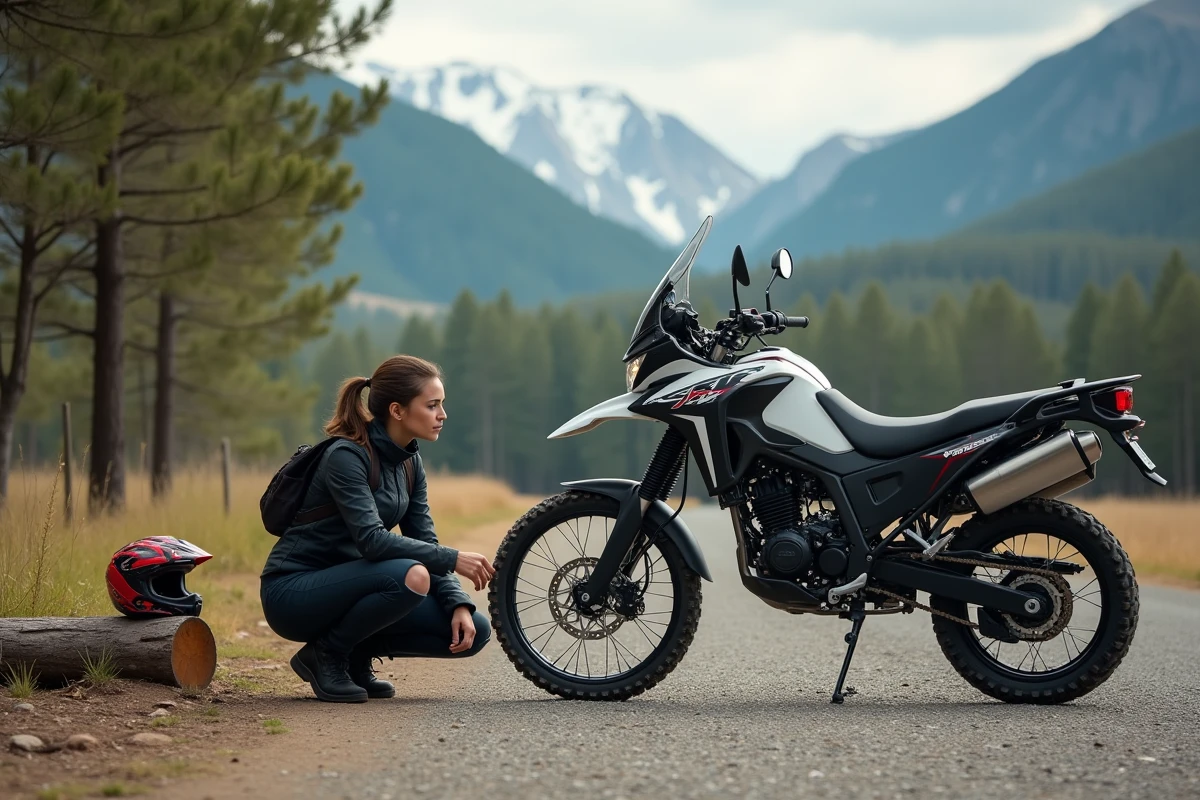
Against the legends of off-road: does the XR 600 still hold up?
It’s impossible to mention the Honda XR 600 without highlighting the myth it still embodies in the world of off-road. Manufactured between 1985 and 2000, it built its reputation on the tracks of the Paris Dakar and the Baja 1000. Robustness, reliability, these are the words on everyone’s lips. Compared to other legendary models, the XR 600 has nothing to hide. Its minimalist approach, devoid of electronics or assistance, recalls a time when the rider’s technique made the difference.
Its RFVC engine, renowned for its longevity and character, remains highly sought after in the used market. Thanks to its simple mechanics and the availability of numerous spare parts, many enthusiasts continue to restore, maintain, or transform these motorcycles for enduro or rally. Time has not frozen it; on the contrary, the community surrounding the XR 600 remains active, sharing tips, settings, and adventure stories.
Some rival models today rely on advanced technologies or superior comfort, but the XR 600 retains major advantages: versatility, lightness, adaptability. Its track record, its influence on the CRF family, and its ability to withstand the harshest treatments keep it at the heart of discussions, whether in rally, vintage enduro, or committed off-road outings. For many, it remains a timeless reference. The story continues, with each turn writing the next chapter of the XR 600 myth.